What Are Precious Metals and Why Are They Valuable? A Beginner's Guide to Understanding the Timeless Asset

Written by: Michael Thornton, CFA – Investment Strategist & Precious Metals Analyst
Introduction: You’re Not Alone in Your Curiosity
If you’re reading this, you’ve probably heard people talk about gold as a “safe haven,” or you’ve seen news headlines about silver prices spiking during uncertain times. Maybe a friend mentioned they bought some gold coins, and you wondered: What’s the big deal? Why would anyone invest in a shiny piece of metal?
Here’s the truth: You’re asking exactly the right questions.
In my 15+ years managing portfolios and advising clients on precious metals, I’ve seen countless intelligent people hesitate at the threshold of this market—not because they lack the smarts, but because the industry can feel opaque, old-fashioned, and intimidating. The jargon is dense. The options are confusing. And let’s be honest: the fear of making an expensive mistake is real.
This guide is designed to change that. I’m going to walk you through the absolute fundamentals of precious metals—what they are, why they’ve been valued for thousands of years, and how modern investors use them today—in plain language, without the fluff. By the end, you’ll have the confidence to understand whether precious metals deserve a place in your financial future.
Let’s start at the beginning.
Section 1: What Exactly Makes a Metal ‘Precious’?
Not all metals are created equal. Iron is useful, aluminum is versatile, but neither is “precious.” So what separates gold, silver, platinum, and palladium from the rest of the periodic table?
The Core Group of Precious Metals
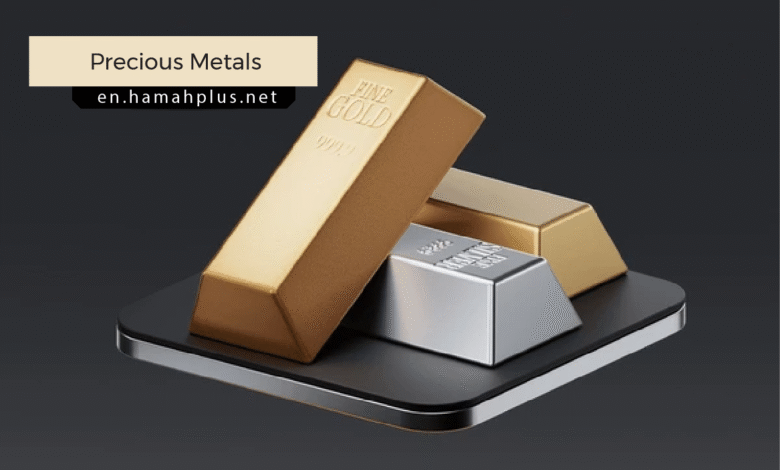
When we talk about precious metals, we’re typically referring to four main metals:
- Gold (Au) – The timeless standard, cherished for jewelry, investment, and central bank reserves.
- Silver (Ag) – Known as “the poor man’s gold,” valued for both investment and extensive industrial use.
- Platinum (Pt) – Rarer than gold, crucial in automotive catalytic converters and high-end jewelry.
- Palladium (Pd) – The newest star, heavily used in vehicle emissions systems and electronics.
What Makes Them “Precious”?
In my experience, beginners often assume “precious” simply means “expensive.” But the real definition is more nuanced. Here are the three core criteria that define a precious metal:
1. Rarity
Precious metals are genuinely scarce. Gold, for example, is so rare that all the gold ever mined in human history would fit into a cube roughly 22 meters on each side, according to the World Gold Council. That’s about the size of an Olympic swimming pool. Compare that to iron or copper, which are extracted by the millions of tons annually.
2. Chemical Stability (Non-Reactivity)
These metals don’t rust, corrode, or degrade easily. Gold is famously inert—it doesn’t tarnish, even after thousands of years. This stability makes precious metals reliable for long-term storage of value. You can bury a gold coin for a century, dig it up, and it will look almost the same.
3. Intrinsic Demand
Precious metals are desired for their own sake, not just as a means to an end. They have industrial applications (platinum in car parts, silver in electronics), aesthetic uses (jewelry, art), and monetary uses (coins, bars, reserves). This multi-layered demand gives them enduring value across cultures and centuries.
Key Takeaway: Precious metals aren’t just expensive—they’re rare, durable, and universally desired. That combination is what makes them unique in the world of assets.
Section 2: The 5 Core Reasons Precious Metals Are Valuable
So why do people actually value these metals? Why would you, as a modern investor, care about something that was important to ancient Egyptians?
Let me break down the five fundamental reasons precious metals have maintained their value—and why they still matter today.
1. Historical Store of Value (The “Money” Legacy)
For most of human history, precious metals were money. Gold and silver coins were the universal medium of exchange. Even after we moved to paper currency, many national currencies were backed by gold reserves (the “gold standard”).
Although the U.S. officially abandoned the gold standard in 1971, central banks around the world still hold massive gold reserves as a foundation of their monetary systems. According to the World Gold Council, central banks collectively hold over 35,000 metric tons of gold. Why? Because gold is the ultimate form of financial insurance—a reserve that holds value even when currencies falter.
What this means for you: When you own precious metals, you own an asset with a 5,000-year track record of maintaining purchasing power. That’s not speculation—that’s history.
2. Safe-Haven Asset Status (The Crisis Hedge)
In my experience, the most common mistake I see beginners make is thinking of precious metals as a “get rich quick” investment. That’s not their purpose. Precious metals shine (pun intended) during times of uncertainty.
When stock markets crash, currencies weaken, or geopolitical tensions rise, investors flock to gold and silver. Why? Because these metals are:
- Not tied to any single government or currency – They can’t be printed or devalued by central bank policy.
- Globally recognized and liquid – You can sell gold in New York, London, Dubai, or Tokyo with ease.
- Tangible and finite – Unlike digital assets or fiat money, you can hold them in your hand.
During the 2008 financial crisis, for example, gold prices surged as investors sought stability. The same pattern emerged during the COVID-19 pandemic in 2020. Precious metals act as financial “insurance” when everything else feels uncertain.
3. Industrial and Technological Demand
Here’s where precious metals differ from purely speculative assets like collectibles or art: they have real-world, essential uses.
- Silver is the best electrical conductor of all metals and is critical in solar panels, electronics, and medical devices.
- Platinum and Palladium are essential in catalytic converters that reduce vehicle emissions. According to the London Bullion Market Association (LBMA), over 80% of palladium demand comes from the automotive industry.
- Gold is used in aerospace, electronics, and medicine due to its conductivity and non-reactive properties.
This industrial demand provides a fundamental floor of value. Even if investor sentiment wanes, factories and manufacturers still need these metals.
4. Scarcity and Finite Supply
Unlike fiat currencies (which governments can print endlessly), precious metals are physically limited. Mining output is constrained by geology. New discoveries are rare and expensive to develop.
Gold production, for instance, has plateaued in recent years. The easy-to-mine deposits are largely exhausted, and extracting gold from deeper or lower-grade ore is costly and time-intensive. This natural scarcity creates long-term upward price pressure, especially as demand grows.
5. Aesthetic and Cultural Value
Let’s not forget the most ancient reason humans treasure these metals: they’re beautiful. Gold and platinum have adorned royalty, religious artifacts, and engagement rings for millennia. Silver is the second-most popular metal for jewelry.
This cultural significance—embedded in traditions, weddings, and symbols of wealth—adds a layer of demand that transcends pure economics. It’s emotional, social, and deeply human.
Key Takeaway: Precious metals are valuable because they combine scarcity, utility, beauty, historical trust, and crisis resilience. No other asset class checks all those boxes.
Section 3: How People Use Precious Metals as an Investment Today
You’re convinced precious metals have value. Great. But how do modern investors actually use them? What are your options?
The good news: You don’t need a vault or a fortune to get started. Here are the two main approaches to investing in precious metals.
Option 1: Physical Ownership (Bullion Bars and Coins)
This is the most direct form of ownership. You buy actual metal—coins or bars—and store it yourself or in a secure facility.
Types of Physical Precious Metals:
- Bullion Coins: Government-minted coins valued primarily for their metal content, not collectible rarity. Examples:
- American Gold Eagle (minted by the U.S. Mint)
- Canadian Maple Leaf
- British Britannia (minted by the Royal Mint)
- Bullion Bars: Produced by private mints or refiners, available in various sizes (from 1 gram to 400 ounces). Bars often have lower premiums over the spot price than coins.
- Numismatic (Collectible) Coins: Valued for rarity, age, or historical significance, not just metal content. These are for collectors, not typical investors.
Pros of Physical Ownership:
- Tangible security: You control it. No counterparty risk.
- Privacy: Transactions can be discreet.
- Crisis-proof: It exists outside the financial system.
Cons:
- Storage and insurance costs: Secure storage isn’t free.
- Liquidity concerns: Selling physical metal can take time.
- Premiums and spreads: Dealers charge over the spot price to buy, and pay under spot when you sell.
Tax Note: In the U.S., physical precious metals are classified as “collectibles” by the IRS, meaning long-term capital gains are taxed at a maximum rate of 28%—higher than most stocks or bonds. Always consult a tax professional.
Option 2: Financial Instruments (ETFs, Mining Stocks, Futures)
If you want exposure to precious metals without the hassle of storage, financial products offer a convenient alternative.
Popular Options:
- Exchange-Traded Funds (ETFs): Funds that track the price of gold, silver, platinum, or palladium. Examples include SPDR Gold Shares (GLD) and iShares Silver Trust (SLV). You buy shares on a stock exchange just like any stock.
- Mining Stocks: Shares in companies that extract precious metals. These offer leveraged exposure—if gold prices rise, mining profits (and stock prices) often rise faster. But they’re also riskier.
- Futures and Options: Advanced contracts that allow speculation or hedging. Not recommended for beginners.
Pros of Financial Instruments:
- Liquidity: Buy or sell instantly during market hours.
- No storage hassle: The fund or company handles the metal.
- Lower transaction costs: No premiums or dealer spreads.
Cons:
- Counterparty risk: You depend on the integrity of the fund or company.
- No physical possession: You own a claim to metal, not the metal itself.
- Management fees: ETFs charge annual expense ratios.
What personally worked for me: When I first started, I bought a few silver coins just to feel the asset. That tactile experience made the concept real. Later, I added a gold ETF in my retirement account for liquidity and tax efficiency. There’s no single “right” way—it depends on your goals, budget, and risk tolerance.
Conclusion: Your Next Step
Precious metals aren’t mysterious. They’re not the exclusive domain of the ultra-wealthy or conspiracy theorists. They’re simply a category of tangible, finite, historically trusted assets that can play a stabilizing role in a diversified portfolio—especially during times of uncertainty.
You now understand:
- What makes a metal “precious” (rarity, stability, intrinsic demand)
- Why they’re valuable (history, crisis resilience, industrial use, scarcity, beauty)
- How to invest in them (physical vs. financial instruments)
The most important thing I can tell you is this: Start small. You don’t need to bet your life savings. Buy a single silver coin from the U.S. Mint or a fractional gold bar. Open a brokerage account and buy a few shares of a gold ETF. Get your hands dirty (metaphorically or literally) and learn by doing.
Precious metals won’t make you rich overnight, but they can offer peace of mind, portfolio diversification, and a hedge against the unpredictable. And in a world that feels increasingly volatile, that might be the most valuable thing of all.
FAQ Section: Your Top Questions Answered
1. What’s the difference between bullion and numismatic coins?
Bullion coins are valued primarily for their metal content. Their price tracks the spot price of gold or silver (which you can check in real-time from sources like Kitco or Bloomberg). Examples: American Eagles, Canadian Maple Leafs.
Numismatic coins are collectibles valued for their rarity, age, historical significance, or minting errors. A rare 1909 penny might be worth thousands—not because of its copper content, but because collectors want it.
For beginners: Stick with bullion. Numismatics require expertise to avoid overpaying.
2. Is it safer to own physical gold or a gold ETF?
It depends on what “safer” means to you.
- Physical gold is safer from systemic financial risk. If banks fail or markets collapse, your gold still exists. But it’s vulnerable to theft or loss, and storage isn’t free.
- A gold ETF is safer from physical threats (no storage worries), and it’s more liquid (you can sell instantly). But it carries counterparty risk—you’re trusting the fund’s management and structure.
My recommendation: For long-term crisis insurance, hold some physical metal. For portfolio diversification and liquidity, use ETFs. A blend of both is often ideal.
3. How do I get started with a small investment?
Great question. You can start with as little as 50–50–100.
For Physical Metals:
- Buy a 1-ounce silver coin (around 25–25–35 depending on the spot price) from the U.S. Mint, Royal Mint, or a reputable dealer.
- Consider a small fractional gold bar (1/10 oz or 1 gram) if you prefer gold.
For Financial Instruments:
- Open a brokerage account (Fidelity, Vanguard, Charles Schwab, etc.).
- Buy shares of a gold or silver ETF. Even one share (around 20–20–200 depending on the fund) gives you exposure.
What I always tell beginners: Don’t overthink it. The act of making that first purchase is more valuable than agonizing over the “perfect” entry point. Precious metals are a long game.
Final Thought: You’ve taken the first step by educating yourself. That alone puts you ahead of most people. Now, take the second step—however small—and start building your own relationship with this timeless asset class. You’ve got this.
About the Author:
Michael Thornton is a Chartered Financial Analyst (CFA) with over 15 years of experience in investment strategy and precious metals portfolio management. He has advised institutional and retail clients on asset diversification, risk management, and alternative investments. His mission is to demystify complex financial topics and empower everyday investors to make informed decisions.